XAUAT News Network — To address the frontier challenges posed by engineering construction in polar and other extreme environments, and to promote deep integration and collaborative innovation among industry, academia, research, and application sectors, the First Symposium on the Development and Application of Polar Construction Technologies was held in Xi’an, Shaanxi Province, from April 17 to 19.
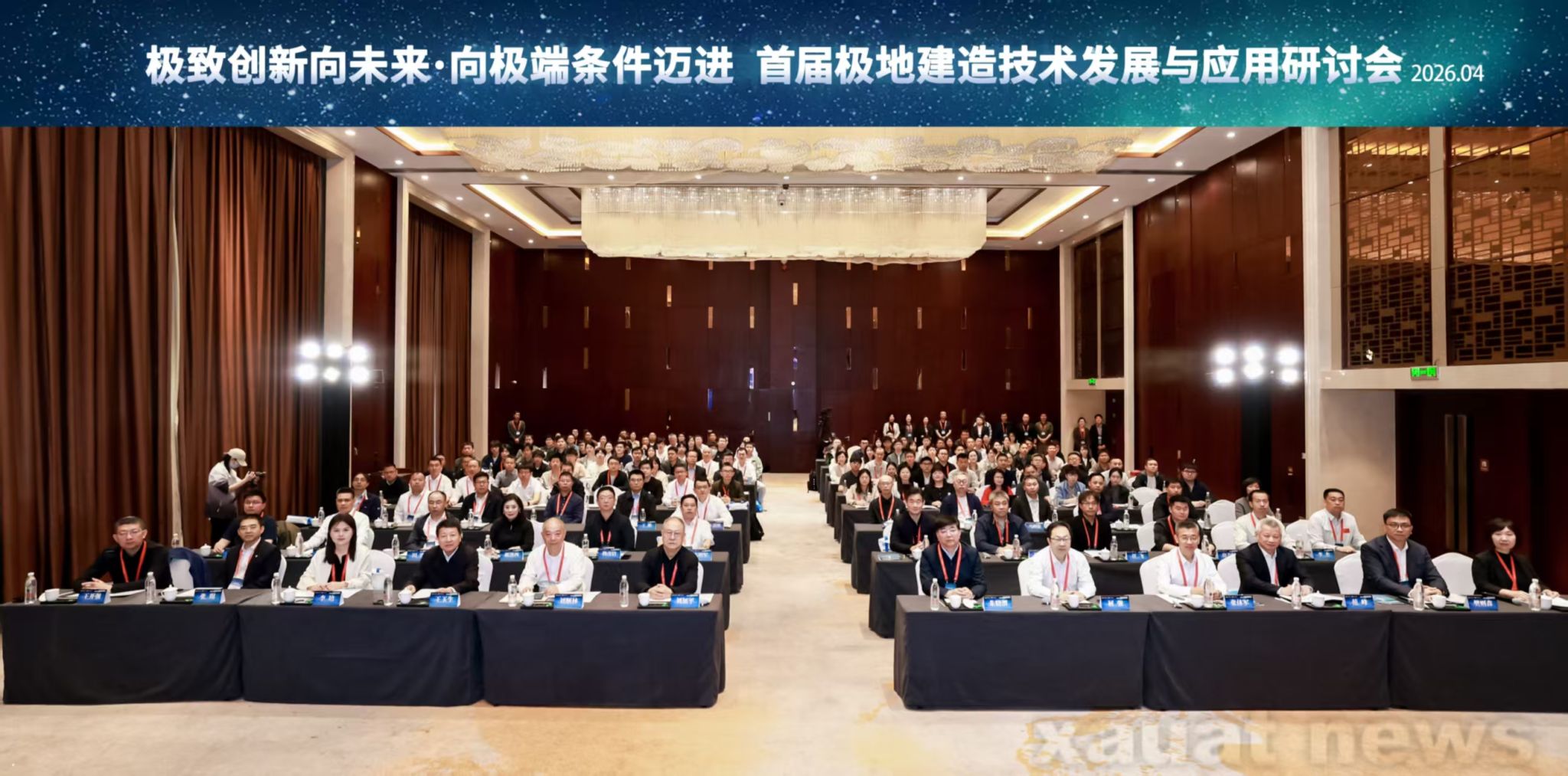
With the theme “Innovation at the Extreme for the Future: Advancing Construction under Extreme Conditions,” the symposium was jointly organized by Xi’an University of Architecture and Technology and the Polar Branch of the China Ocean Engineering Consulting Association, and hosted by the State Key Laboratory of Green Building and the Polar Architecture Research Institute of the Polar Research Institute of China.
The symposium attracted more than one hundred leading experts, scholars, industry leaders, and engineering practitioners from across China in the fields of polar engineering, architectural design, intelligent construction, and green energy. Participants engaged in in-depth discussions on key technologies related to architectural design, industrialized manufacturing, and equipment-based construction in extreme environments characterized by ultra-low temperatures, severe storms, complex soil and snow foundations, and high-altitude conditions.
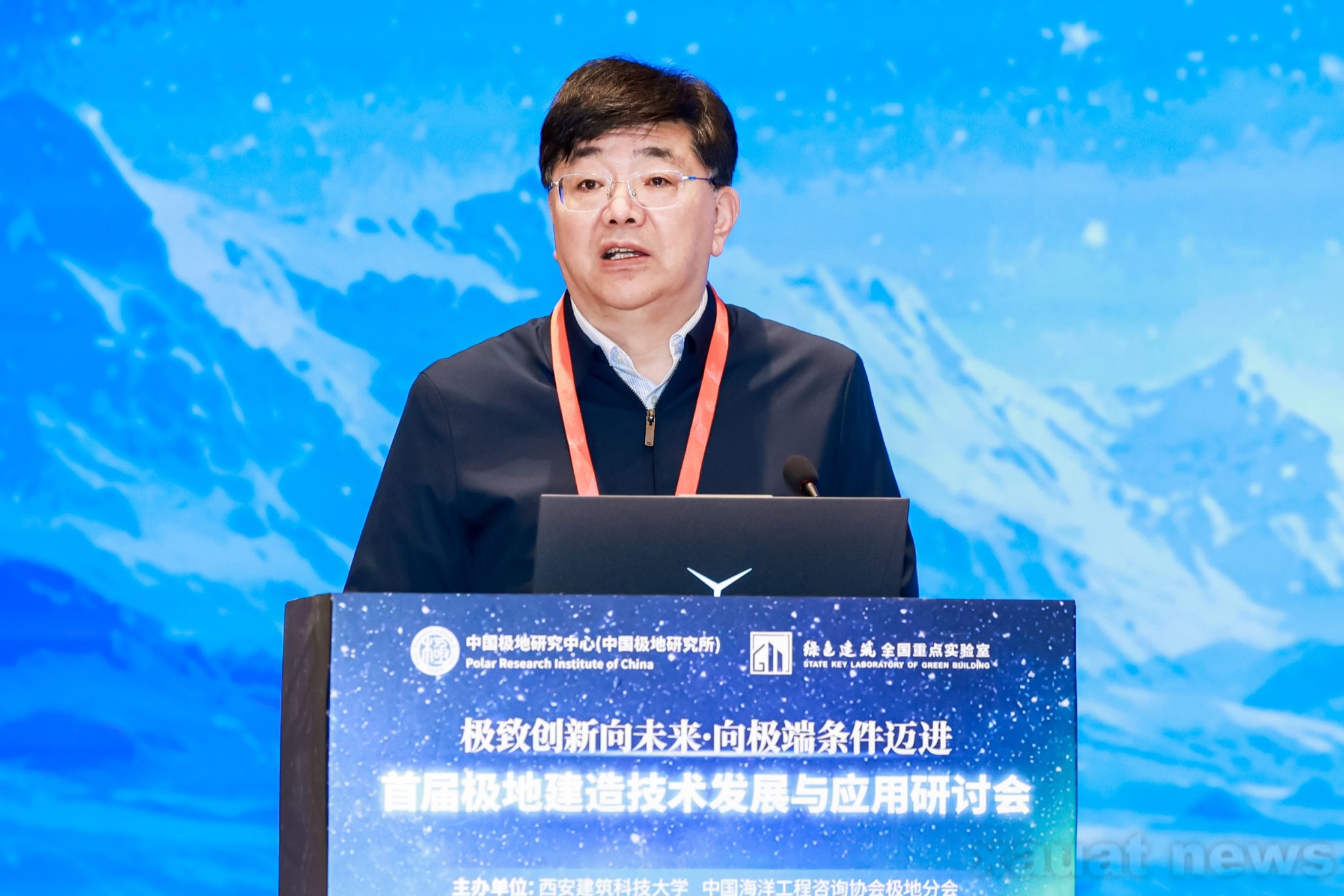
The opening ceremony was chaired by Wang Yi, Vice President of XAUAT. Zhu Xiaowei, Party Secretary of XAUAT; Liu Shunlin, Party Secretary and Director of the China Polar Research Center (Polar Research Institute of China); Qu Qiang, President of the China Ocean Engineering Consulting Association; and Wang Yusheng, Party Secretary and Chairman of China Railway Construction Engineering Group Co., Ltd., delivered opening addresses.
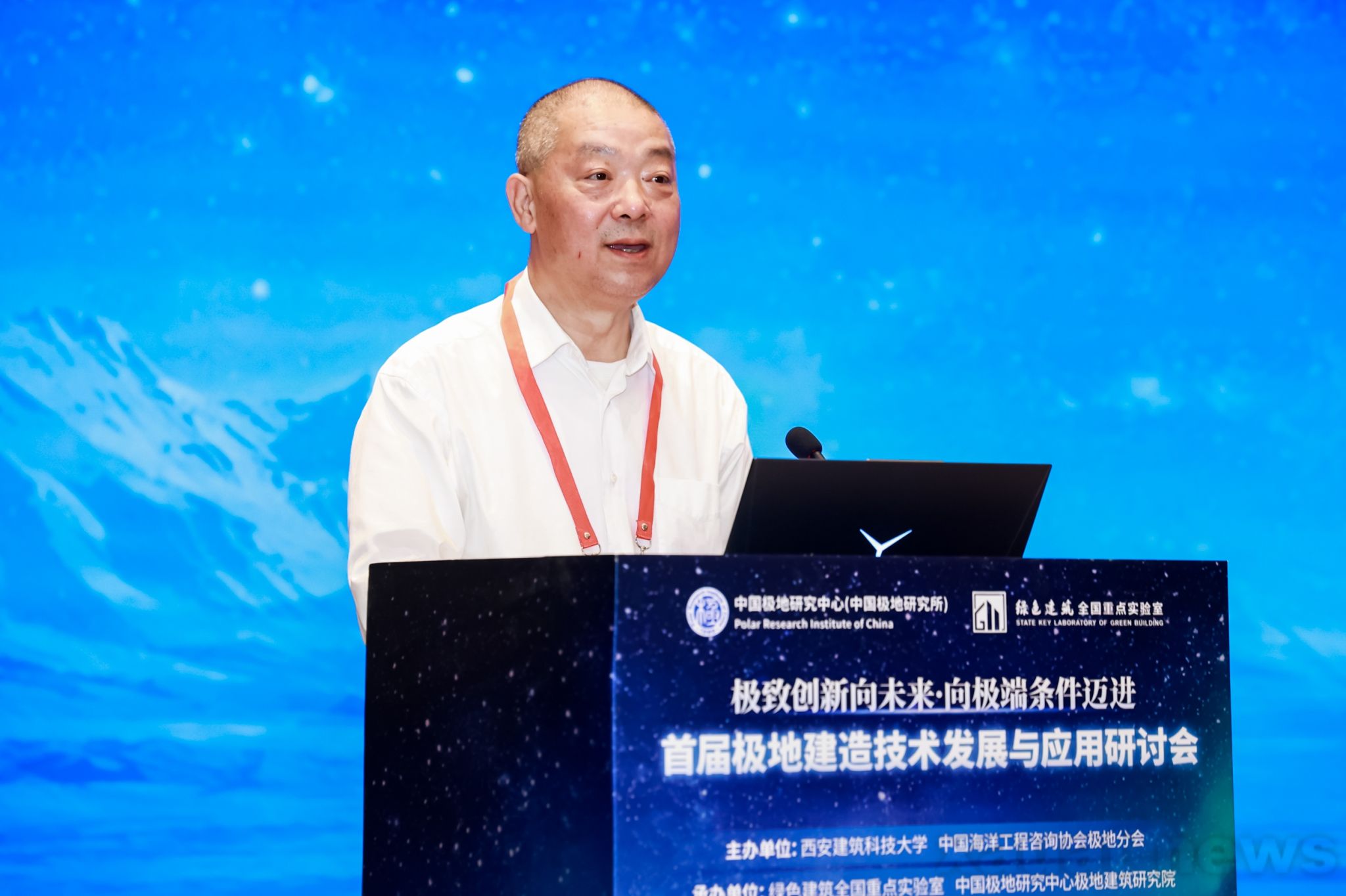
Zhu Xiaowei noted that, as one of China’s important bases for polar architecture research, XAUAT has accumulated extensive practical experience and achieved significant technological advances in the field of polar construction. He emphasized that the symposium, bringing together leading forces from industry, academia, research, and application sectors, would provide strong support for advancing China’s national polar strategy.
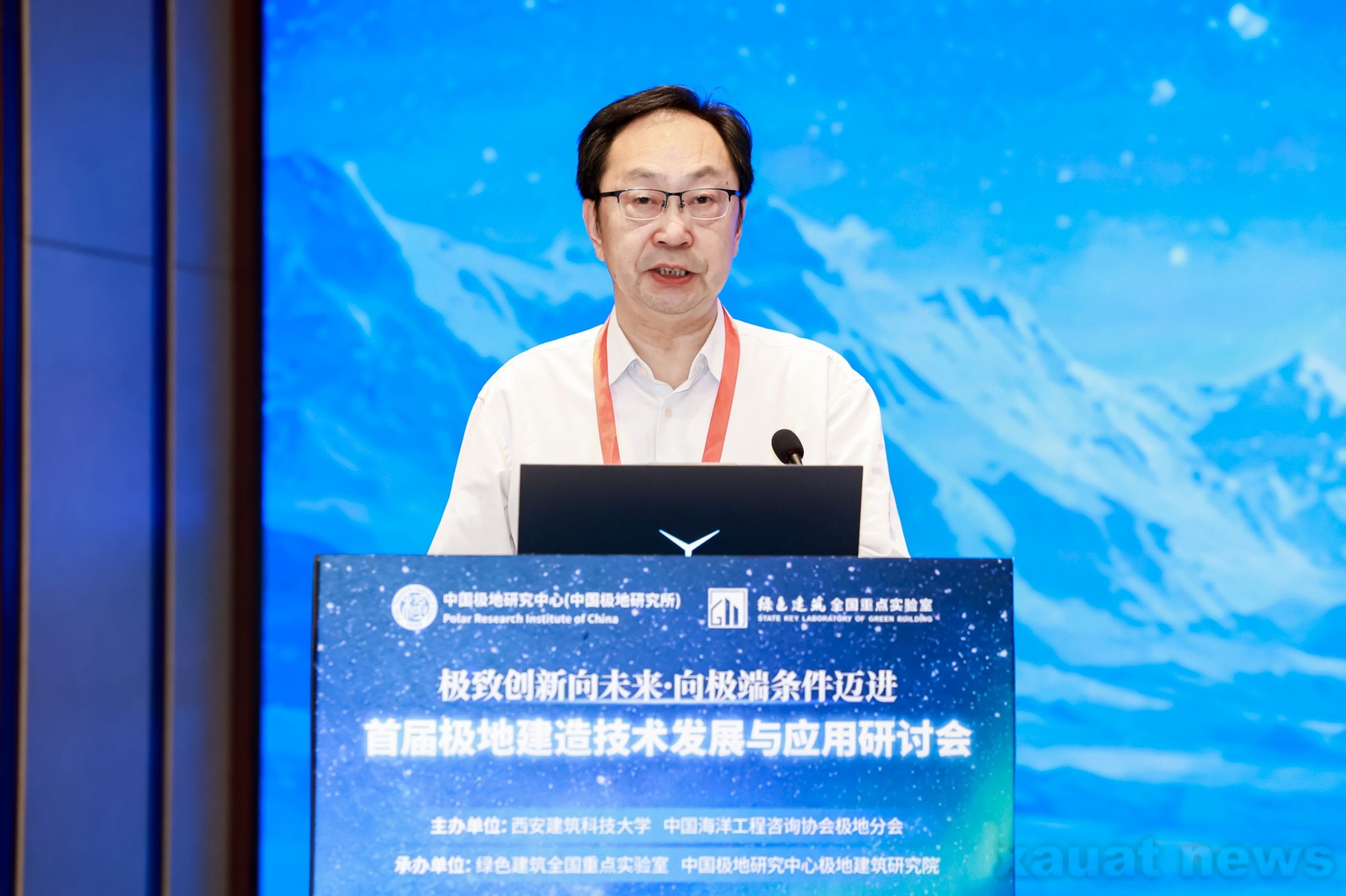
Liu Shunlin stated that the Polar Research Institute of China is committed to strengthening cooperation with all stakeholders, continuously enhancing the nation’s capabilities in polar engineering support, and contributing to the high-quality development of China’s polar endeavors as well as the national strategies of building China into a maritime and scientific powerhouse.
Qu Qiang remarked that the China Ocean Engineering Consulting Association would continue to leverage its role in industry coordination and professional services to facilitate breakthroughs in polar construction technologies and support national maritime and scientific development strategies.
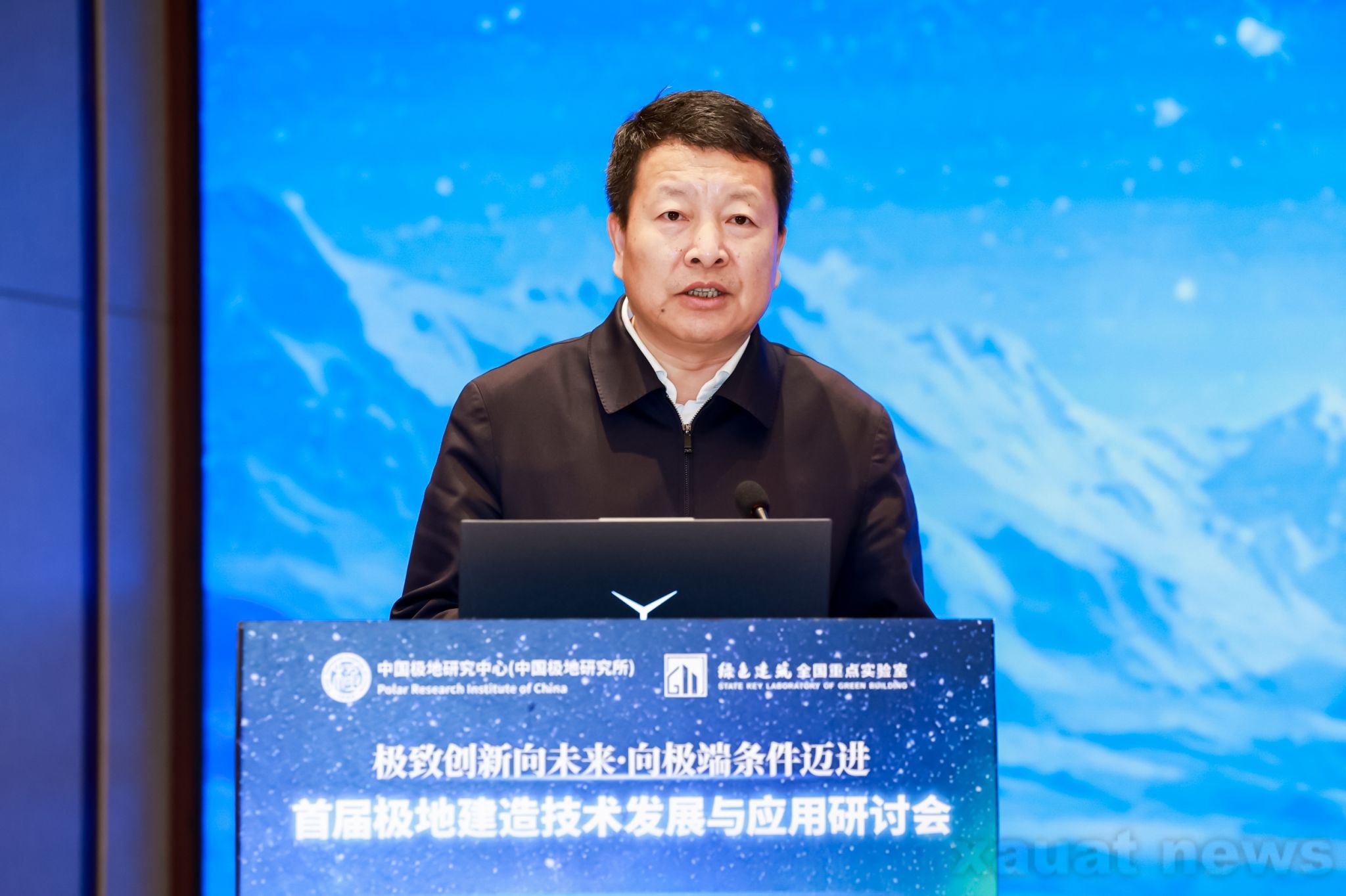
Wang Yusheng expressed that China Railway Construction Engineering Group would work closely with experts and industry partners to advance intelligent, green, standardized, and systematic development of polar construction technologies, contributing to the high-quality development of China’s polar undertakings.
The symposium featured three major components: plenary presentations, panel discussions, and poster exhibitions. A total of 14 plenary presentations, 11 poster presentations, and two panel discussion sessions were conducted. Experts from the Polar Research Institute of China, China State Construction Engineering Corporation, Tsinghua University, Tongji University, and Harbin Institute of Technology delivered keynote presentations on topics including Antarctic research station construction, architectural design in extreme environments, adaptive polar infrastructure, human health factors, and modular buildings, showcasing the latest research achievements and technological breakthroughs in polar construction.
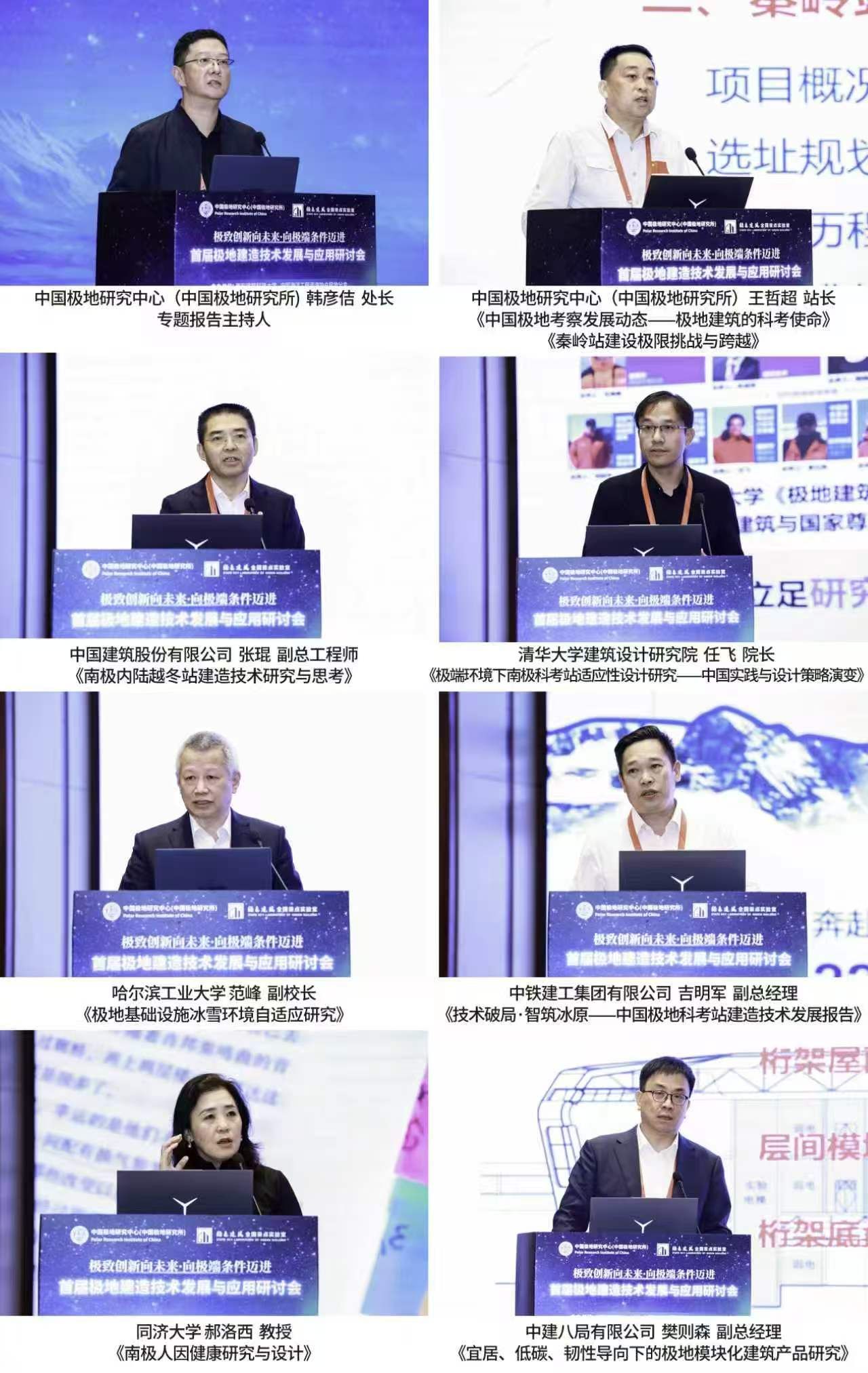
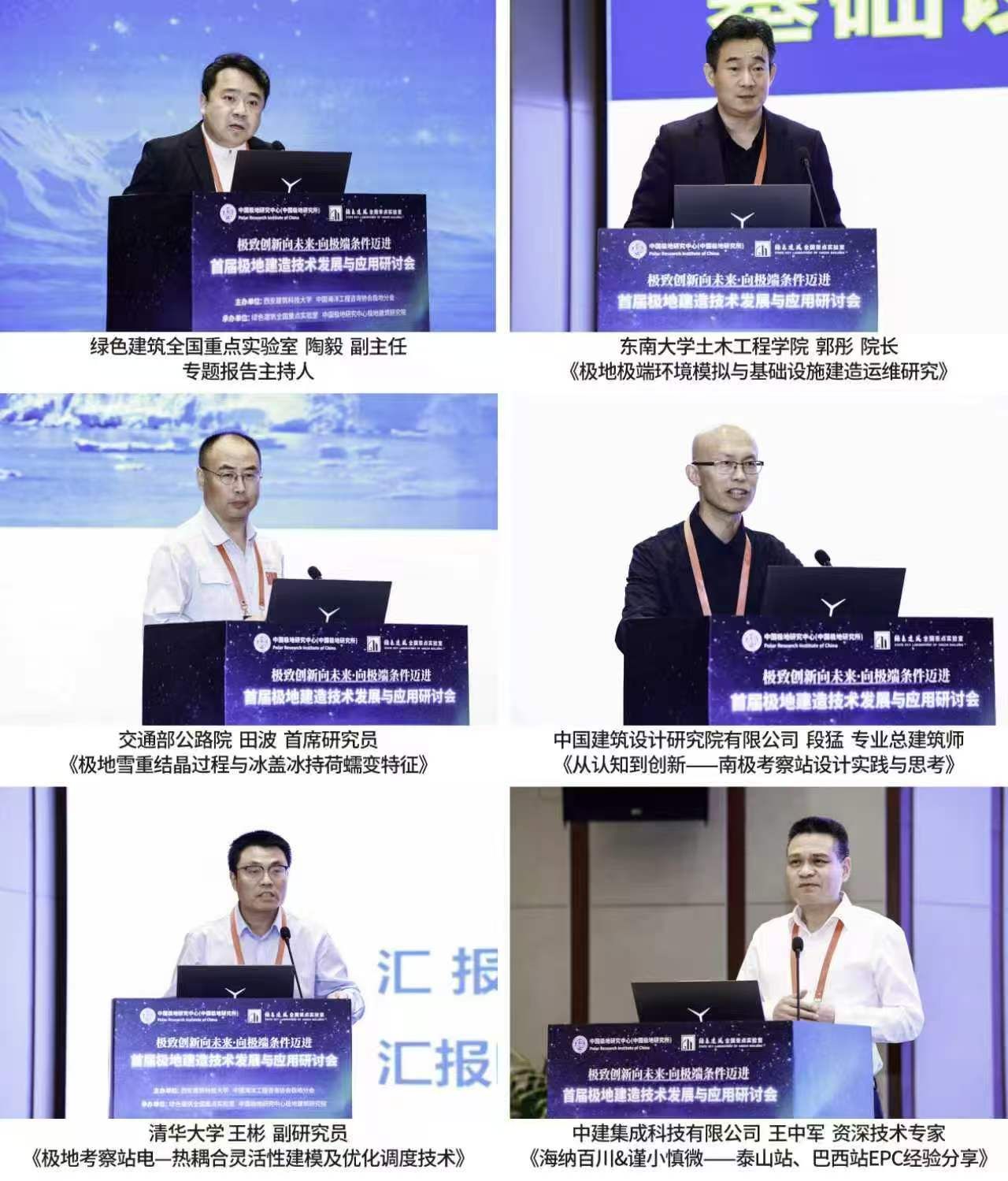
During the panel discussions, participants exchanged views on four core themes: Frontier Theories and Design Methodologies for Polar Architecture, Intelligent Construction and Innovative Structural Systems, Green Energy and Sustainable Support Systems, and Engineering Practice and Standards Development. The discussions comprehensively covered the entire innovation chain of polar construction, from fundamental theories to engineering applications, and fostered broad consensus on future industry development.
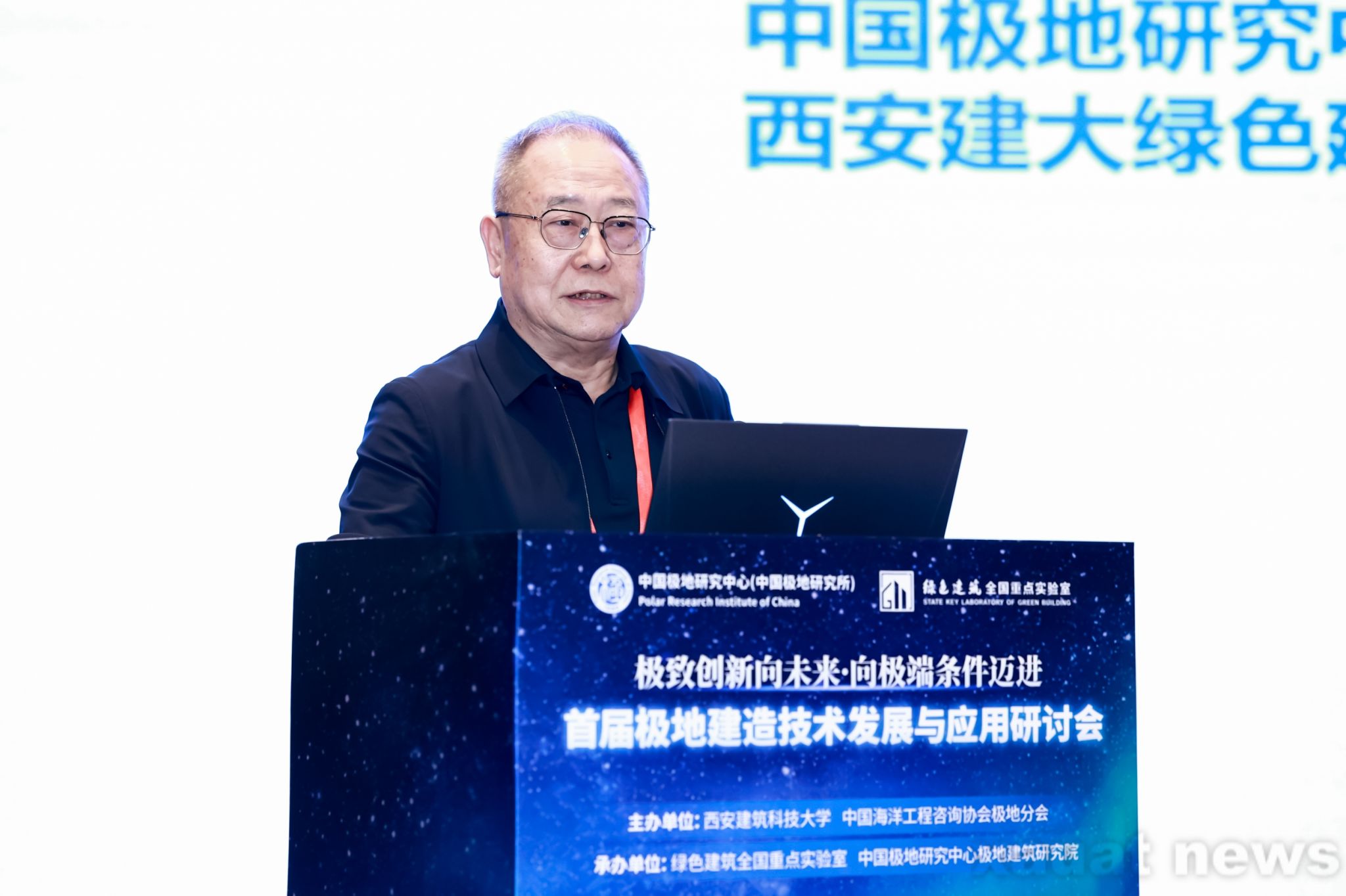
The closing ceremony was chaired by Liu Yanfeng, Executive Vice Dean of the Research Institute of XAUAT. Liu Jiaping, Director of the State Key Laboratory of Green Building and President and Chief Scientist of the Polar Architecture Research Institute of the Polar Research Institute of China, delivered a plenary report entitled “Selected Topics in Polar Architecture Research.” Drawing upon his experiences participating in China’s 41st Antarctic Expedition and the 2025 Arctic Basic Scientific Expedition, he shared systematic insights into the development of polar architecture research.
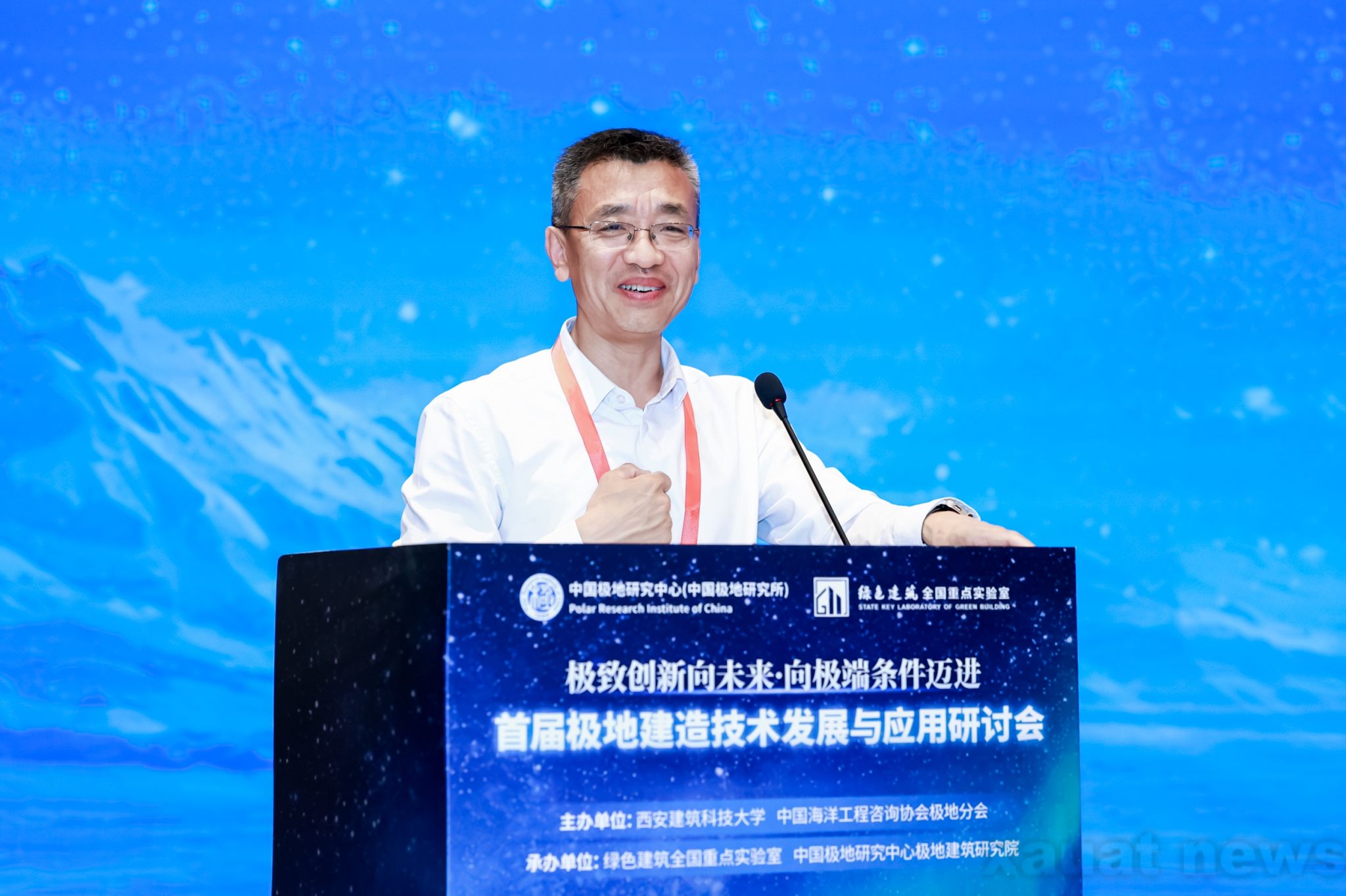
In his concluding remarks, Zhang Tijun, Deputy Director of the Polar Research Institute of China, emphasized that polar construction is a mission of great significance while remaining a highly challenging endeavor. He expressed the hope that the symposium would evolve into a regular, high-level platform for academic and professional exchange, bringing together stakeholders from industry, academia, research, and application sectors to advance key technological breakthroughs and facilitate the transformation of research outcomes. Such efforts, he noted, would strengthen the engineering and technological foundations necessary for China’s transition from a major polar nation to a leading polar power.
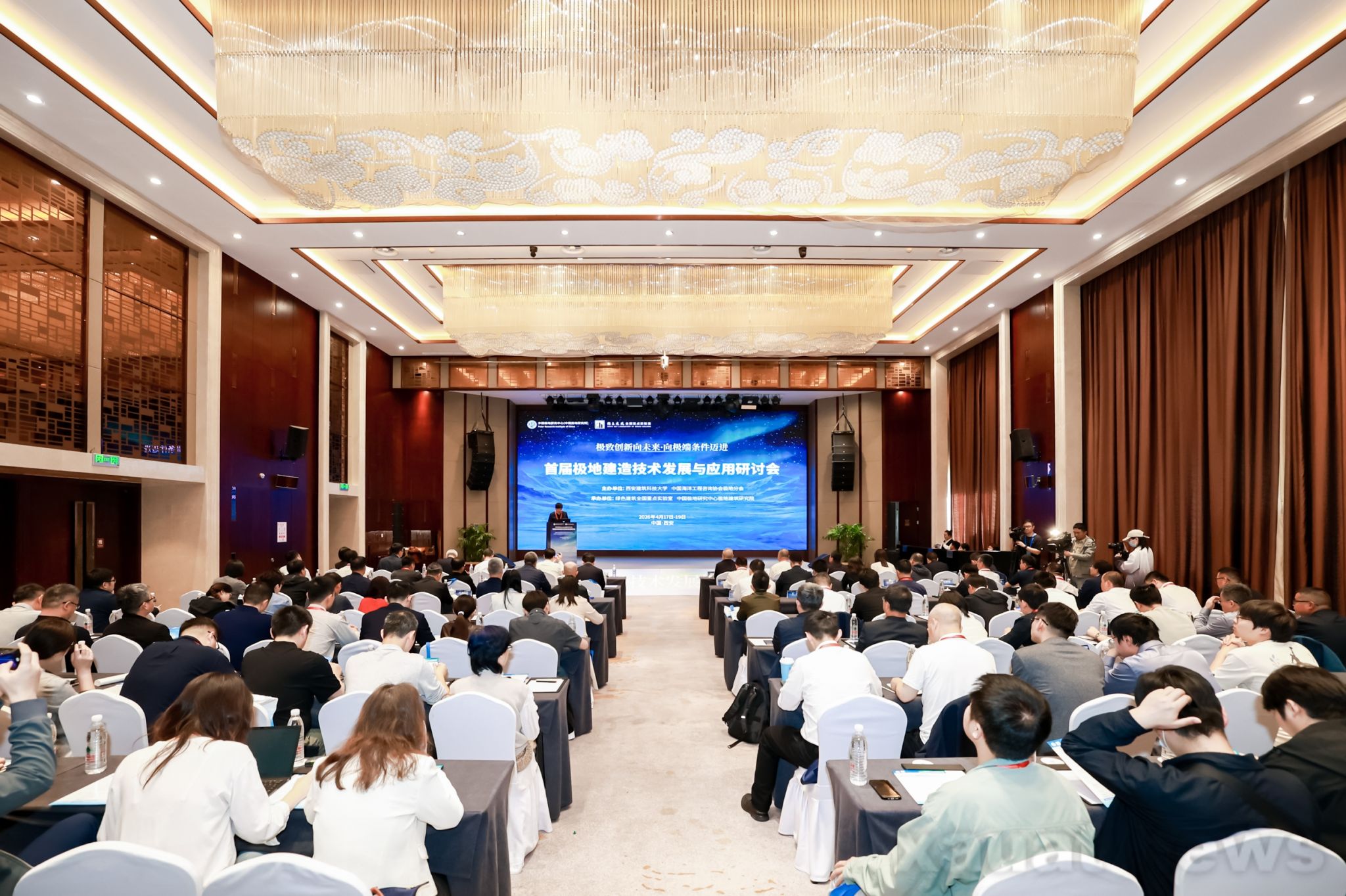
The symposium systematically reviewed China’s major achievements in the field of polar construction and established a high-level platform for academic exchange. It also provided strategic direction for collaborative research on key technologies and the development of a standards framework for polar construction engineering. Moving forward, all participating parties will continue to leverage their strengths in scientific and technological innovation, align closely with the needs of China’s polar programs, and promote the high-quality development of polar research facilities and infrastructure. These efforts will contribute Chinese wisdom and solutions to global polar scientific cooperation and sustainable development.